A disclaimer book: your shield against legal turbulence. In a world where clarity is key, disclaimers play a crucial role. They safeguard your content and protect your rights. Whether you’re a blogger, influencer, or business owner, having a solid disclaimer book is non-negotiable. Let’s delve into the art of crafting disclaimers that shield and empower. Let’s master the disclaimer game.

Exploring the World of Disclaimer Books
Welcome, young readers, to a fascinating journey into the realm of disclaimer books! Have you ever picked up a book and noticed a small section at the beginning or end that says something like, “The characters in this story are entirely fictional”? That’s a disclaimer, a statement that helps protect authors and publishers from legal issues. But disclaimer books are much more than just legal protection – they can add depth and intrigue to the reading experience. Let’s dive in and discover more about this often overlooked aspect of the publishing world.
What is a Disclaimer Book?
A disclaimer book is a publication that includes a disclaimer statement, which is a legal notice that sets out the rights and liabilities of the author and publisher. These statements typically address issues such as copyright, character resemblance to real-life individuals, and the accuracy of information presented in the book. While disclaimer statements may vary in their wording and specificity, their primary purpose is to protect the creators of the work from potential legal claims.
The Importance of Disclaimer Statements
Disclaimer statements serve as a form of protection for authors and publishers by clarifying the boundaries of the work and managing the expectations of the readers. For example, a disclaimer that states, “The events in this book are purely fictional and any resemblance to actual persons, living or dead, is purely coincidental,” can help prevent misunderstandings and legal disputes. By clearly stating what is fictional and what is based on reality, disclaimer statements help establish a clear understanding between the creators and consumers of the work.
Types of Disclaimer Statements
Disclaimer statements can vary depending on the nature of the work and the potential risks involved. Some common types of disclaimer statements include:
- Copyright Disclaimer: This type of disclaimer asserts the author’s ownership of the intellectual property rights of the work and prohibits unauthorized use or reproduction.
- Accuracy Disclaimer: Authors may include a statement acknowledging that the information presented in the book may not be entirely accurate or up to date.
- Health and Safety Disclaimer: In books that provide advice or guidance on health and safety topics, authors may include a disclaimer stating that the information is for informational purposes only and should not be considered professional advice.
Exploring the Role of Disclaimer Books in Publishing
Disclaimer books play a crucial role in the publishing industry by not only protecting creators from legal risks but also by enhancing the reader’s experience. By setting clear boundaries and expectations, disclaimer statements can allow authors to explore complex or controversial topics without fear of repercussions. Additionally, disclaimer books can add an element of intrigue and mystery to the reading experience, prompting readers to question the boundaries between fiction and reality.
The Art of Crafting a Compelling Disclaimer
While disclaimer statements are primarily legal documents, they also offer authors an opportunity to engage with readers creatively. A well-crafted disclaimer can set the tone for the entire book, adding humor, suspense, or curiosity. Authors may choose to play with language, use metaphorical references, or incorporate clever wordplay to make the disclaimer more memorable and engaging.
Engaging Readers with Disclaimer Books
Readers can also have fun exploring disclaimer books and interpreting the hidden messages within the disclaimer statements. Some authors include Easter eggs or hidden clues in their disclaimers, inviting readers to look beyond the surface and engage more deeply with the text. By encouraging readers to think critically and analytically, disclaimer books can turn a simple legal notice into an interactive and immersive experience.
As we wrap up our exploration of disclaimer books, it’s clear that these seemingly mundane legal statements hold a world of intrigue and creativity. Next time you pick up a book, take a moment to read the disclaimer and see if you can uncover the hidden messages within. Remember, disclaimer books are not just about legal protection – they are a gateway to a world of imagination and discovery.
Thank you for joining us on this journey through the world of disclaimer books. Happy reading!
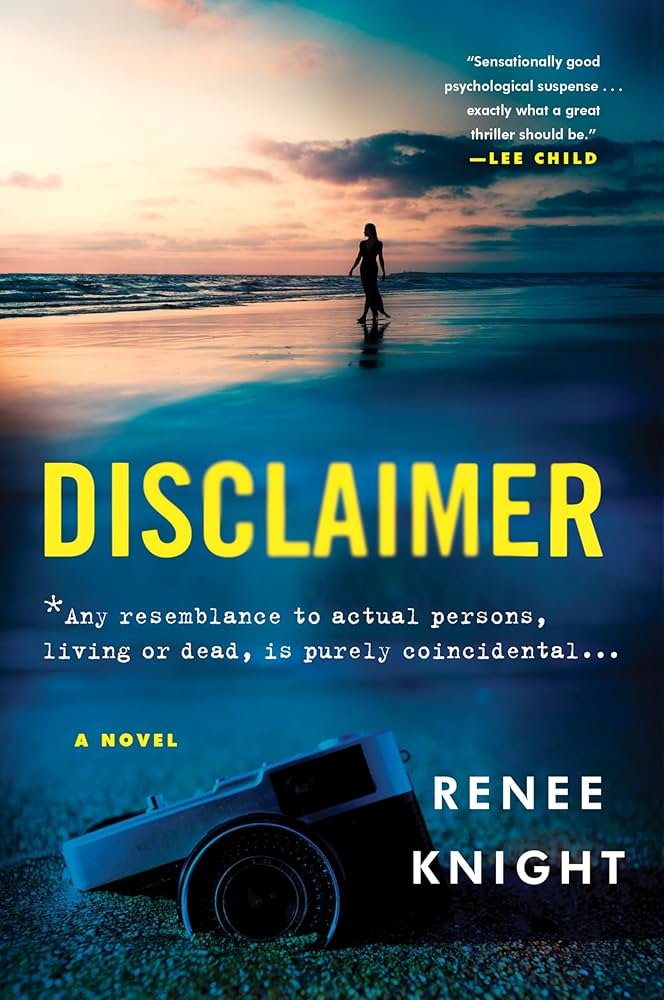
Disclaimer – Book Summary | by Renee Knight
Frequently Asked Questions
What information should a disclaimer book contain?
A disclaimer book should include a clear statement outlining that the information provided is for general purposes only and not intended as professional advice. It should also specify any limitations of liability and the terms of use for the content.
Why is it important to have a disclaimer book?
Having a disclaimer book helps protect the author or publisher from legal liabilities in case readers misinterpret or misuse the information. It sets clear expectations for the readers regarding the content’s purpose and their responsibilities.
Can a disclaimer book prevent legal issues?
While a disclaimer book can help reduce the risk of legal issues, it may not provide complete immunity from lawsuits. It is crucial to consult with a legal professional to ensure that the disclaimer is comprehensive and effective in minimizing potential legal risks.
How should a disclaimer book be prominently displayed?
A disclaimer book should be prominently displayed in the front or back of the publication, before the content begins. It should have a clear title such as “Disclaimer” to grab the reader’s attention and ensure they are aware of the terms and conditions.
Final Thoughts
In conclusion, a disclaimer book is a crucial tool for protecting yourself from legal issues. By clearly stating limitations and responsibilities, you can mitigate the risk of misunderstandings or disputes. Remember, a well-crafted disclaimer book can provide peace of mind for both you and your readers. Always prioritize transparency and clarity in your disclaimers to maintain trust and integrity.